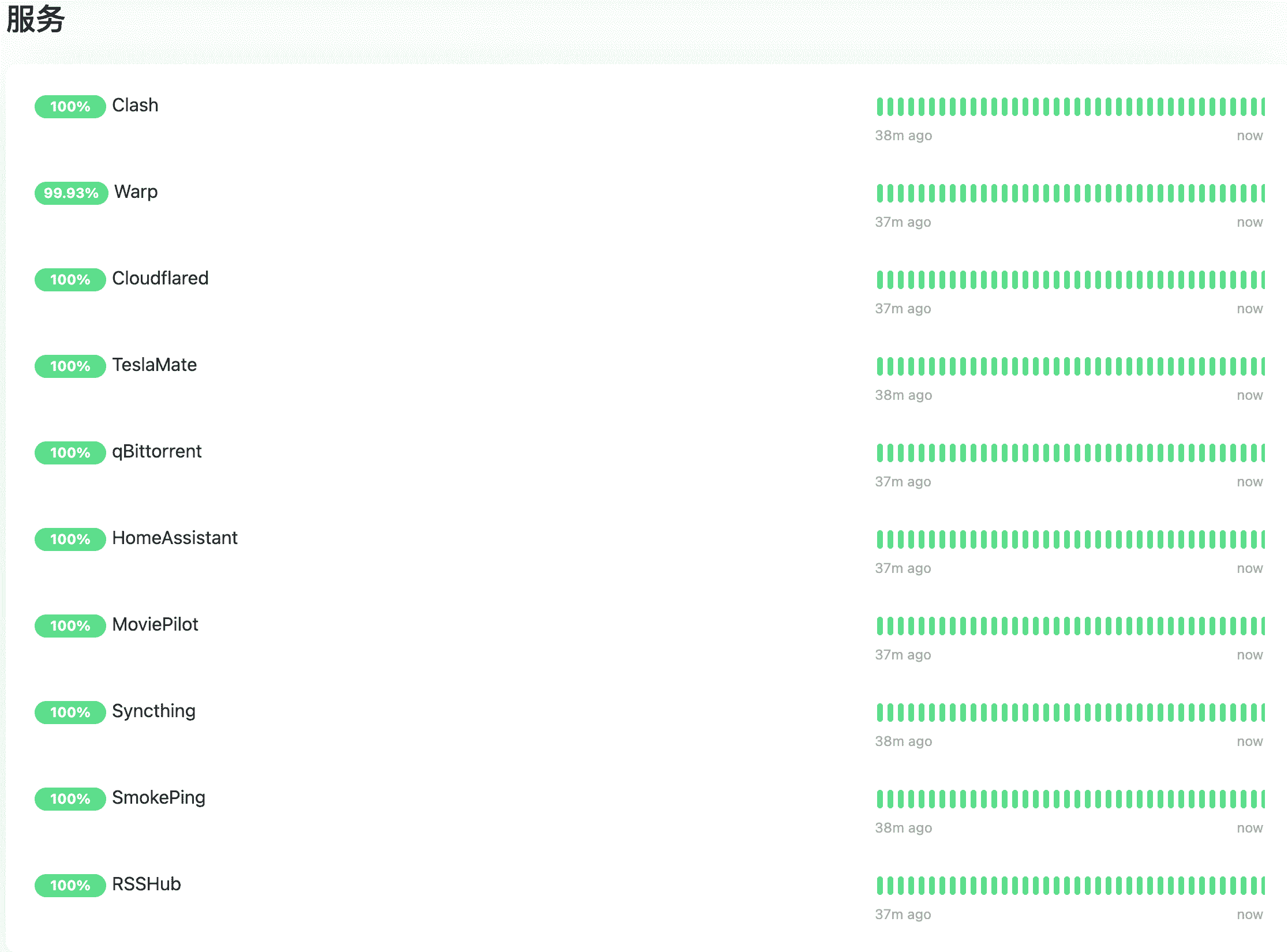
Ever since picking up my first Raspberry Pi 2B back in 2015, I have spent nearly a decade self-hosting services at home. Over the years, hardware, operating systems, and apps have come and gone, but a handful of services have stayed put in my homelab.
Here is a rundown of those permanent fixtures. I plan to update this once a year.
Foundation
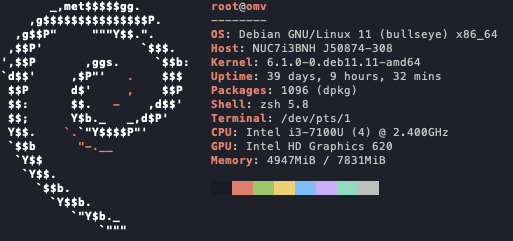
Hardware
An Intel NUC7i3BNH bought in 2017. Still going strong 24/7, with a tentative retirement date set for 2027.
I have wanted to upgrade the hardware countless times, but my personal “cost-cutting and efficiency” doctrine stopped me every single time.
Operating System
openmediavault, based on Debian.
I picked it for two reasons: a solid Debian core and being completely open-source.
Network
- Jiangsu Telecom 1000M down / 50M up EPON fiber.
- No public IPv4 (NAT444 + Full Cone NAT1 handles external access and PT seeding). Native IPv6 works normally.

Applications
Networking
Clash
Handles inbound connections when I am away from home and acts as a transparent proxy gateway for LAN devices. Absolutely essential.
Tailscale
Connects my office and home networks. I use Clash for incoming traffic more often, but Tailscale is always there as a backup.
Cloudflare Tunnel
My go-to choice for exposing local services to the internet.
Connecting to Cloudflare edge nodes over HTTP/2 with IPv4 is rock-solid and easily saturates my 50 Mbps upload bandwidth.
Cloudflare WARP
A fallback proxy, mainly handy for ad-free video streaming.
Smokeping
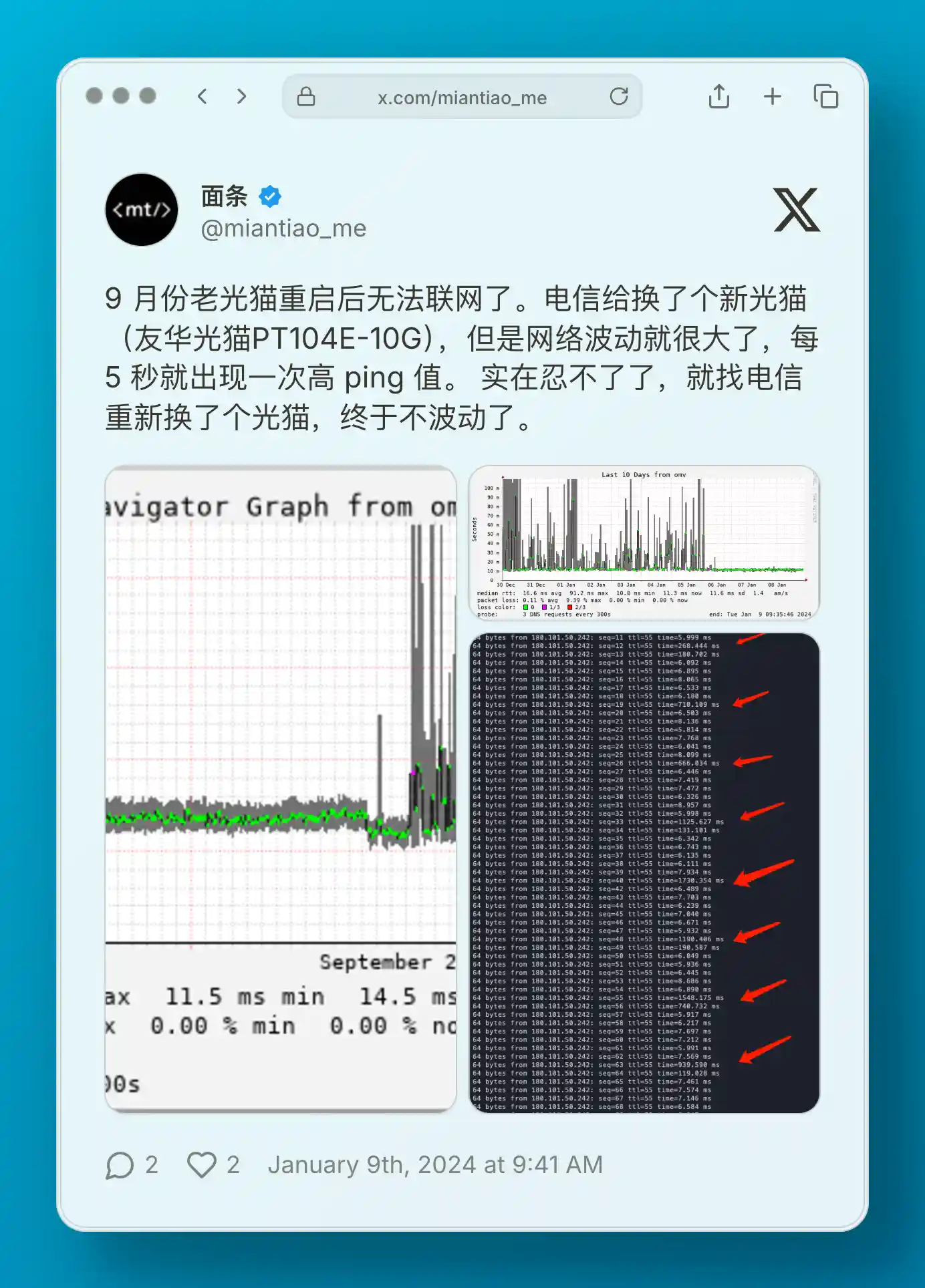
Monitors broadband latency and packet loss. It previously helped me pinpoint performance issues on a newly installed fiber modem.
Smart Home
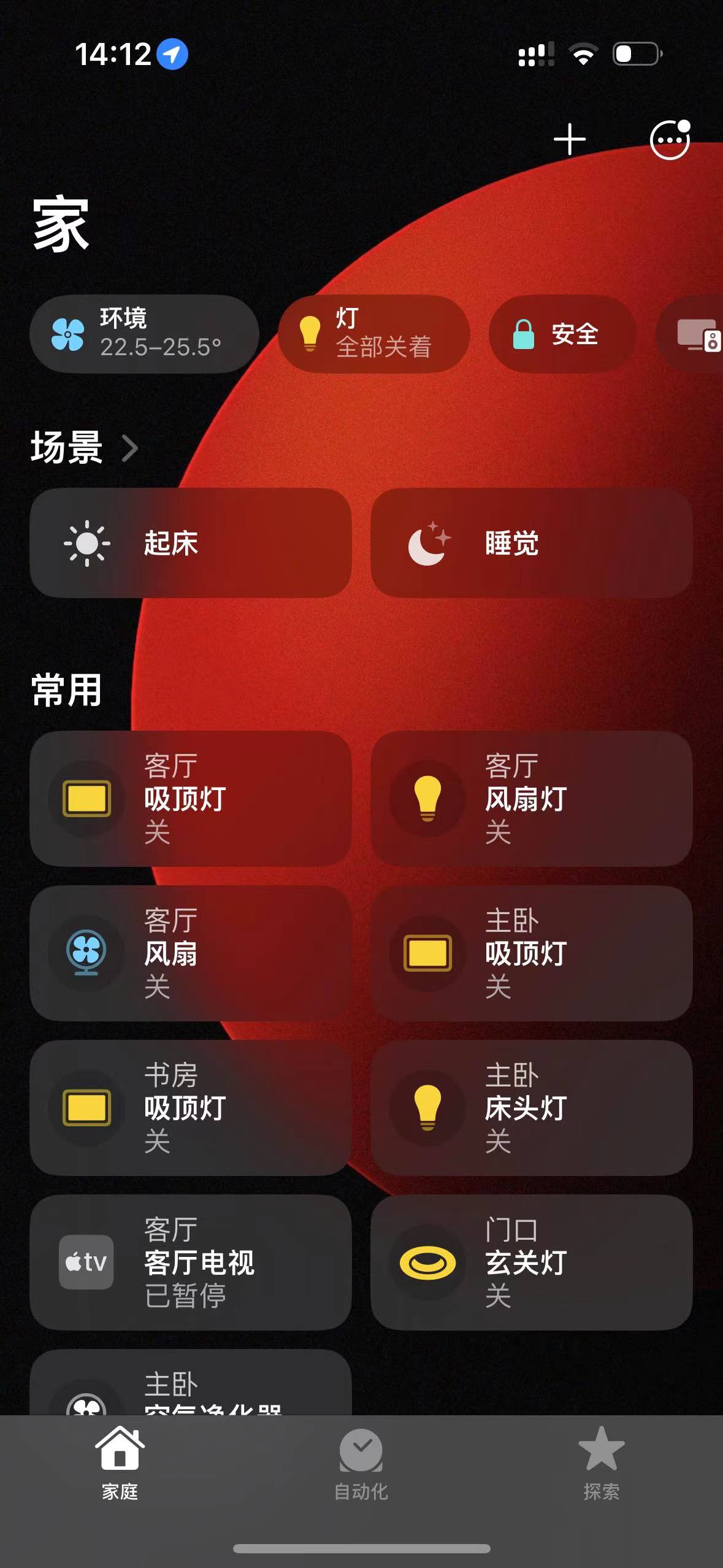
Home Assistant
Brings my Xiaomi smart home gear directly into Apple HomeKit.
Node-RED
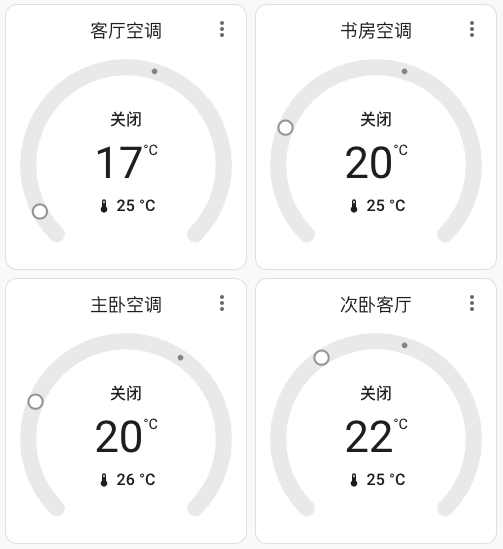
Pulls data from Home Assistant and hooks into third-party APIs (currently managing my air conditioner).
Media
qBittorrent
Handles private tracker (PT) seeding. Paired with natmap, it solves the seeding bottleneck without a public IPv4.
A 22 GB download easily turns into 100 GB uploaded—a 5x ratio is no trouble at all. Paired with Flood, the web UI looks great too.

MoviePilot
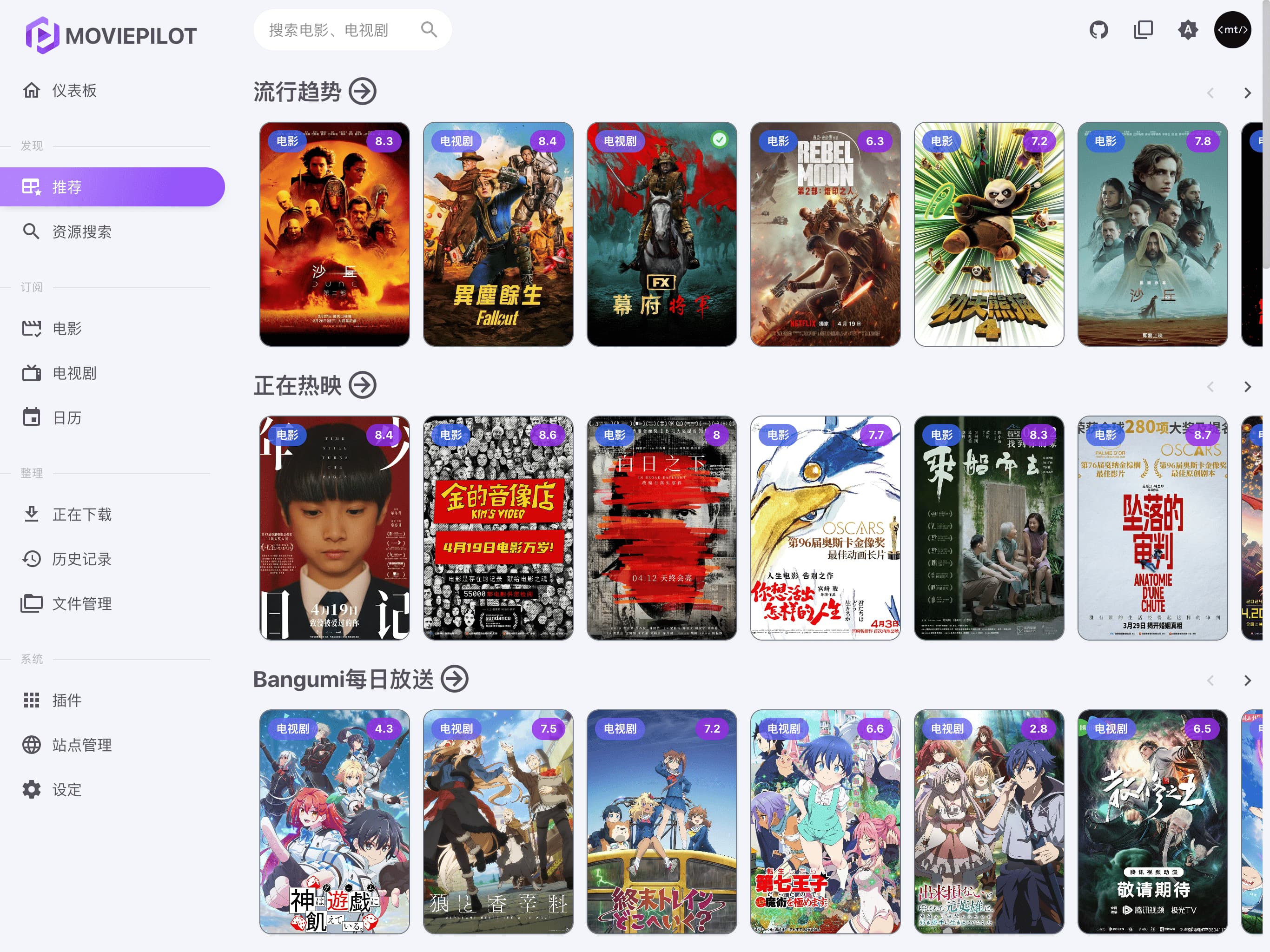
Handles automated media scraping, subscriptions, and downloads from online trackers.
Jellyfin
For streaming movies and shows whenever I am outside the house.
Services
TeslaMate
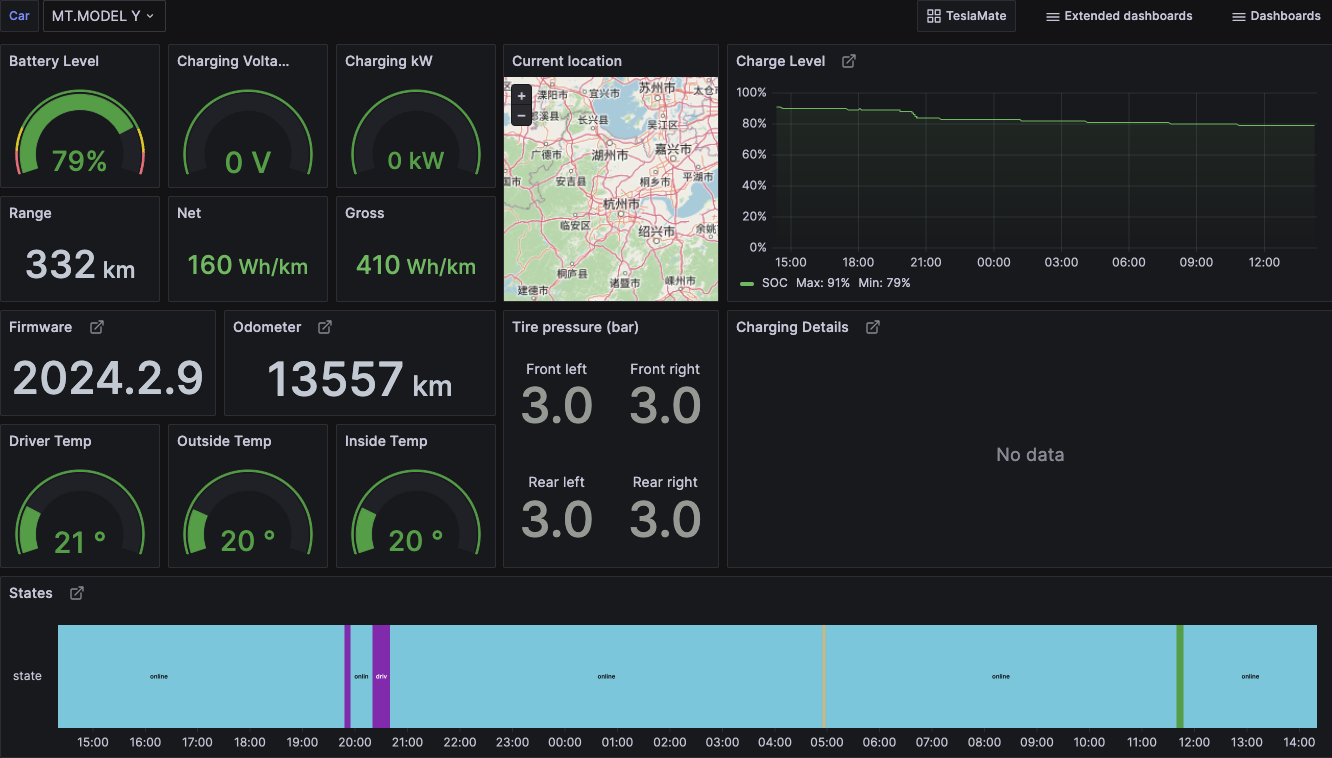
Logs driving history and vehicle telemetry.
RSSHub
Self-hosted and paired with IPv6, which solves IP-based rate limiting on many feeds.
Storage & Files
Syncthing
Continuous file sync and backup between my Mac, Windows, and Linux machines.
AList
Aggregates multiple cloud storage drives, provides a local WebDAV server, and handles web-based file management.
aria2
General file downloads.
System Management
Portainer
Web UI for Docker. There are plenty of newer alternatives, but this is the one my muscle memory defaults to.
Uptime Kuma
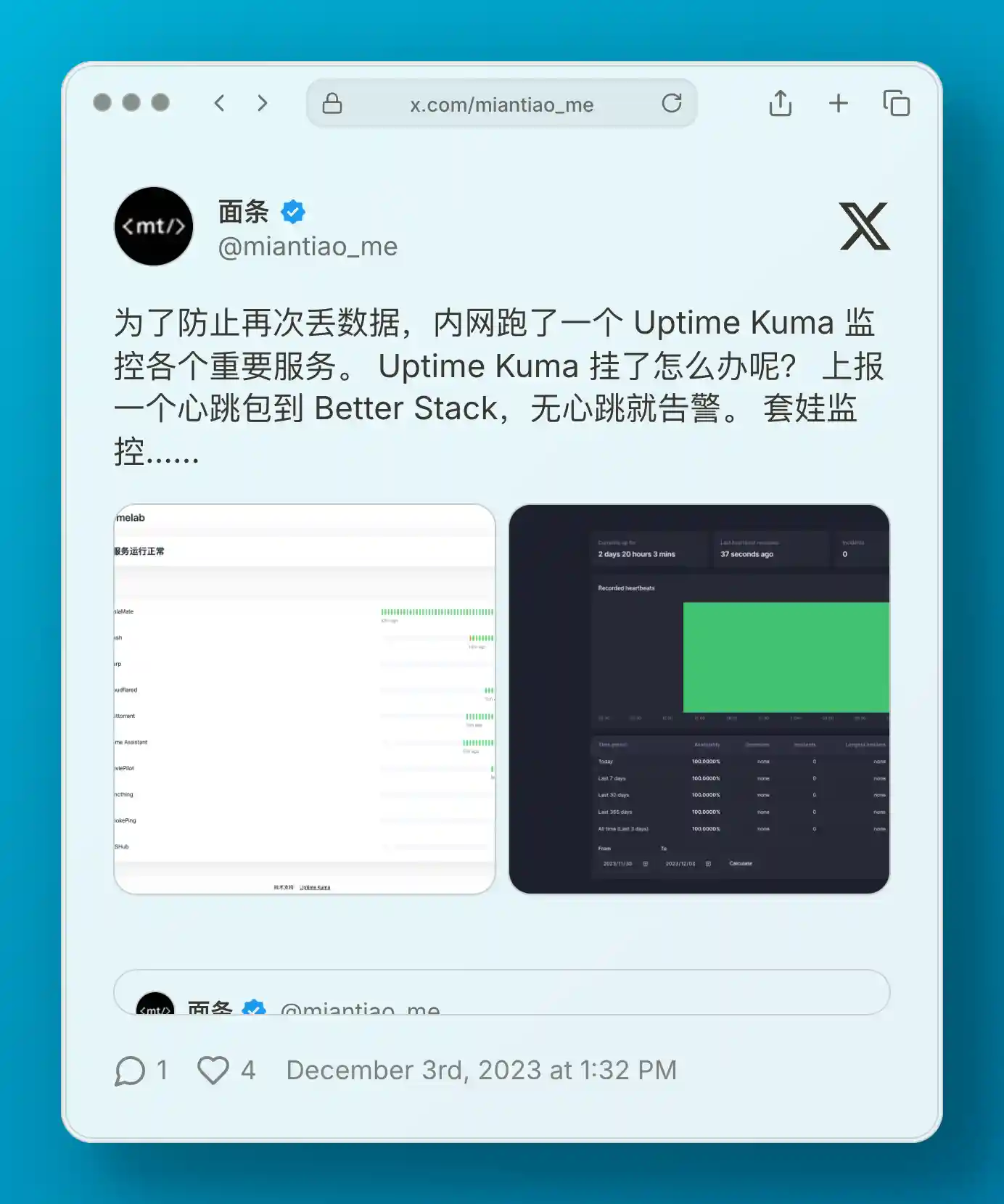
Deployed locally after TeslaMate once lost some data, giving me an easy way to check that everything is actually running.